
The “Super Flu” H3N2 Surge: What You Need to Know in 2026
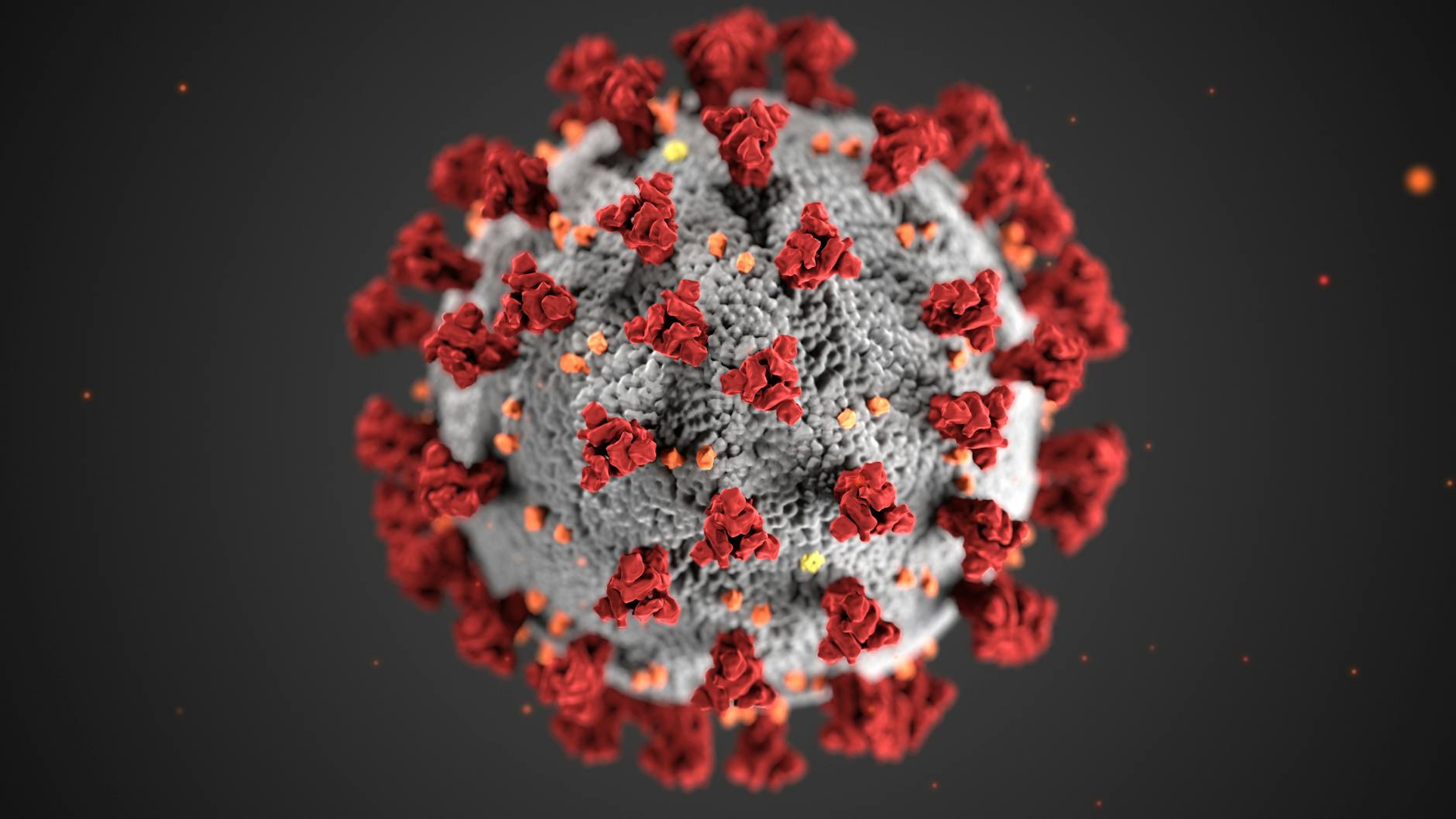
A new, fast-spreading influenza variant is driving a massive winter surge across the United States. Dubbed the “super flu,” this strain of Influenza A (H3N2, subclade K) is causing hospitalizations to spike and hitting communities earlier and harder than typical flu seasons. While the nickname sounds alarming, understanding the facts about this virus, its symptoms, and the proven power of vaccination is your best defense.
Health officials from the CDC to local hospitals are reporting record case numbers, particularly in the Northeast. “I don’t remember seeing flu cases this early and in this many numbers,” said Dr. Jennifer Goebel of Northwell Health in New York. Despite concerns about a vaccine mismatch, experts unanimously stress that getting your flu shot remains the single most effective action to prevent severe illness, hospitalization, and death.
Understanding the 2026 “Super Flu” Strain
The term “super flu” isn’t a scientific classification but a popular label for an influenza strain that causes more severe symptoms and spreads with remarkable speed. This year, it refers to a specific variant: Influenza A H3N2, subclade K. This variant has key mutations in its surface protein (hemagglutinin), making it antigenically different from the H3N2 strain included in this season’s vaccine, which is based on the older J.2 subclade.
Why Is This Season Different?
Three converging factors are creating a perfect storm for widespread infection:
- Viral Evolution: The H3N2 subclade K variant emerged after the vaccine formulation was finalized in February 2025, leading to an antigenic “mismatch.”
- Low Population Immunity: Few people have existing immunity to this specific variant, allowing it to rip through communities.
- Low Vaccination Rates: As of late 2025, only about 42% of U.S. adults had received their flu shot, leaving a vast majority susceptible.
“Super Flu” Symptoms and Severity
The symptoms are classic influenza but are often reported as more intense and coming on faster. It’s crucial to recognize them early.
| Common Symptoms | Emergency Warning Signs (Seek Care Immediately) |
|---|---|
| High fever (often over 101°F) | Difficulty breathing or shortness of breath |
| Severe cough (dry or productive) | Persistent pain or pressure in the chest |
| Intense body aches and headaches | Confusion or inability to arouse |
| Extreme fatigue and weakness | Bluish lips or face |
| Sore throat and runny/stuffy nose | Severe dehydration (not urinating, dizzy) |
Doctors note that while all age groups are affected, there has been a significant rise in cases among school-aged children and young adults.
The Critical Role of the Flu Vaccine in 2026
This is the most important point: You should still get vaccinated. While the vaccine may be less effective at preventing mild infection from this specific variant, it is highly effective at preventing the worst outcomes. Data from the UK’s early surge suggests the current vaccine is 30-40% effective at preventing hospitalizations in adults.
“If you haven’t had your flu vaccine this year, this is the year to get it,” emphasized New York State Health Commissioner Dr. James McDonald.
Vaccination teaches your immune system to recognize parts of the virus, offering cross-protection. It significantly reduces the risk of severe illness, ICU admission, and death. Immunity kicks in about two weeks after the shot.
Current U.S. Flu Activity at a Glance
| Metric | Status (Early Jan 2026) | Notes |
|---|---|---|
| National Activity | Very High & Surging | CDC reports hospitalizations nearly doubled in a week in late 2025. |
| Dominant Strain | Influenza A H3N2 (subclade K) | The so-called “super flu” variant. |
| Hardest-Hit Region | Northeast (e.g., New York) | Reporting record case numbers. |
| Adult Vaccination Rate | ~42% | Well below public health targets. |
Treatment and When to Seek Care
Most healthy individuals can recover at home with rest, fluids, and over-the-counter fever reducers like acetaminophen or ibuprofen. Antiviral medications like oseltamivir (Tamiflu) or baloxavir (Xofluza) are prescription drugs that can lessen symptoms and shorten the illness by about a day, but they work best when started within 48 hours of symptom onset.
Seek medical attention if you or a loved one is in a high-risk group (adults over 65, young children, pregnant women, or those with chronic conditions like asthma or heart disease) or if you experience any of the emergency warning signs listed in the table above. Urgent care centers and emergency departments are prepared to evaluate and treat severe cases.
Common Questions (FAQ)
Is the “super flu” actually a new virus?
No. It is a new variant of the seasonal influenza A (H3N2) virus. The “super flu” nickname reflects its rapid spread and tendency to cause more severe symptoms in this particular season, not that it’s a novel pathogen like COVID-19 was.
If the vaccine is mismatched, why should I bother getting it?
Because it still provides crucial protection against severe disease. Think of it as a “seatbelt” for your lungs. Even in a mismatched year, the vaccine primes your immune system to mount a stronger, faster defense, dramatically reducing your risk of hospitalization and death. A 30-40% reduction in hospitalization risk is a powerful benefit.
Is it too late to get a flu shot in January 2026?
Absolutely not. Flu activity typically peaks between December and February and can last into May. Getting vaccinated in January will still provide protection for the remainder of the season. As CDC experts state: “It’s definitely not too late to get a flu vaccine if you haven’t done it already.”
How can I tell the difference between the “super flu,” COVID-19, and a cold?
Symptoms overlap significantly. The flu (especially this strain) and COVID-19 often cause high fever, severe fatigue, and body aches, while colds are usually milder. The only way to know for sure is to get tested. Testing is important because it can guide treatment decisions, such as eligibility for antiviral or COVID-19 therapies. If you have symptoms, contact a healthcare provider about testing.