
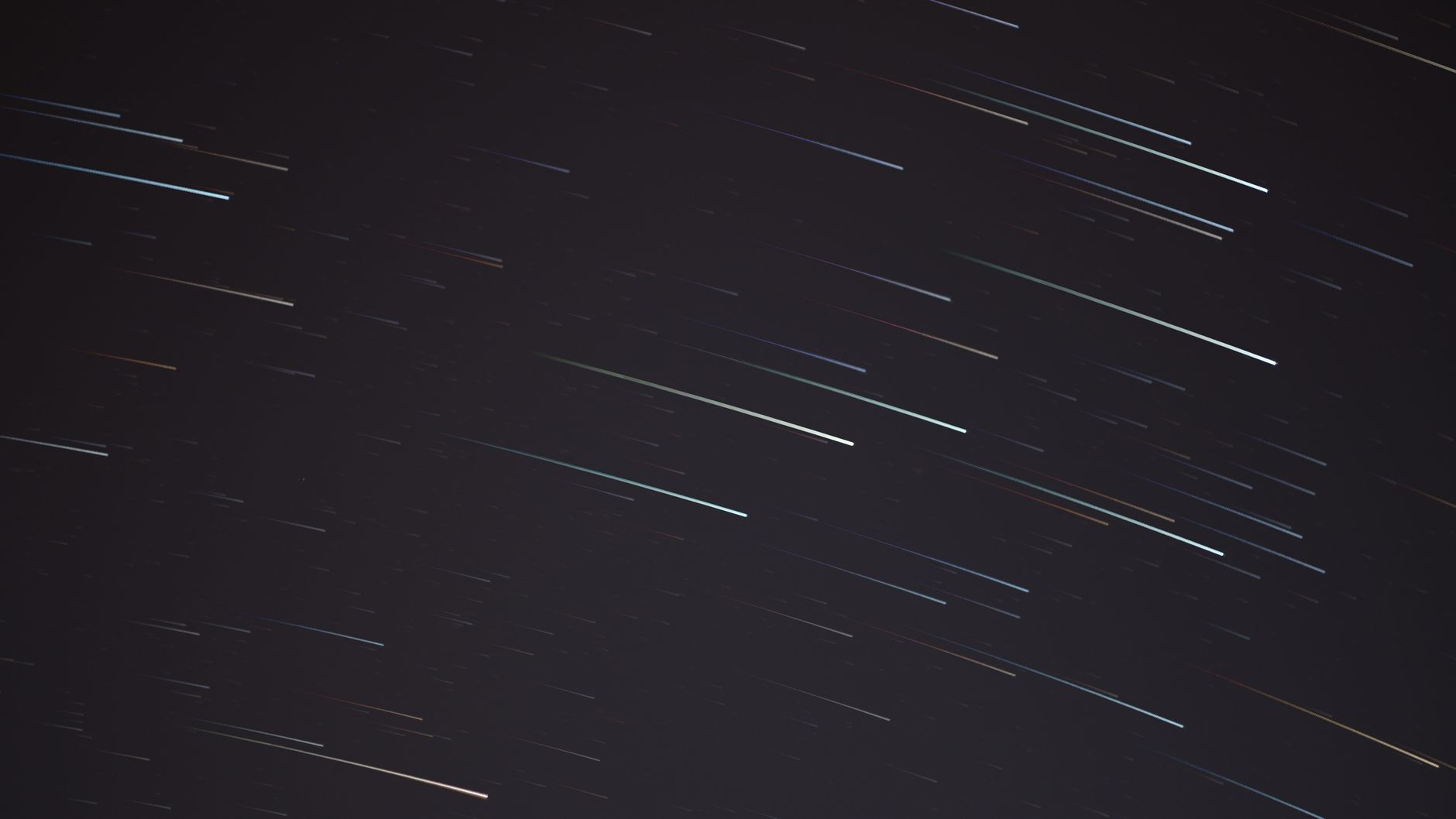
As Earth orbits the Sun, it periodically plows through streams of cosmic debris left behind by comets and asteroids, creating the spectacular celestial events we know as meteor showers. These “shooting stars” are actually tiny particles, often no larger than a grain of sand, vaporizing in a flash of light as they collide with our atmosphere at tremendous speeds. For skywatchers, 2026 offers a full calendar of opportunities to witness these natural fireworks.
2026 Meteor Shower Calendar: Key Dates
Planning is essential for successful meteor watching. The table below, based on data from the McDonald Observatory and other astronomical sources, lists the major showers for the year. The “Moon” column is critical, as bright moonlight can wash out fainter meteors.
| Shower | Peak Night (2026) | Moon Phase & Viewing Notes |
|---|---|---|
| Quadrantids | January 3-4 | Full Moon. Very poor conditions due to all-night moonlight. |
| Lyrids | April 21-22 | Moon sets before peak hours. Good conditions. |
| Eta Aquariids | May 5-6 | Moon in view most of the night. Fair conditions. |
| Perseids | August 12-13 | New Moon. Excellent, dark conditions. |
| Draconids | October 8-9 | New Moon. Excellent conditions. |
| Orionids | October 22-23 | Moon in view most of the night. Fair conditions. |
| Leonids | November 16-17 | Moon won’t interfere during peak. Good conditions. |
| Geminids | December 13-14 | Moon won’t interfere during peak. Excellent conditions. |
What to Watch For This Week
While the next major peak isn’t until the Lyrids in April, the American Meteor Society notes that several weak showers are active in mid-March, including the Gamma Normids. Public reports on forums like Reddit suggest some early activity from this shower is already visible. For the best chance, get away from city lights after midnight.
How to Get the Best View
Meteor watching requires no special equipment, just patience and preparation. Experts from the McDonald Observatory and NASA recommend the following:
- Get Dark: Escape city light pollution. State parks or rural areas are ideal.
- Be Patient: Your eyes need 20-30 minutes to fully adapt to the dark. Lie back on a blanket or reclining chair for a wide view of the sky.
- Timing: The best viewing is typically after midnight local time, when your location is on the forward-facing side of Earth as it orbits into the debris stream.
- Don’t Stare at the Radiant: Meteors will appear to streak away from a single point in the sky (the radiant), but they can appear anywhere. Look about 45-60 degrees away from the radiant for the longest trails.
- Pack Smart: Bring warm clothes, blankets, bug spray, and a red-filtered flashlight to preserve your night vision.
The Science Behind the Showers
Most meteor showers are born from comets. As a comet like Swift-Tuttle (Perseids) or Tempel-Tuttle (Leonids) travels around the Sun, it sheds an icy, dusty debris stream along its orbit. When Earth’s path intersects this stream, the particles—called meteoroids—burn up in our atmosphere, creating meteors. The showers are named for the constellation from which they appear to radiate.
The rare objects that survive the fiery descent and hit the ground are known as meteorites. Sites like Arizona’s Meteor Crater, as reported by Space.com, continue to be vital laboratories for understanding these powerful impacts.
Looking Ahead: The Lyrids in April
The next major shower is the Lyrids, which peaks on the night of April 21-22, 2026. With the Moon setting before the peak viewing hours, conditions are forecast to be favorable. This shower, originating from debris left by Comet Thatcher, is known for producing about 18 meteors per hour at its peak, with occasional bright fireballs.
Whether you’re planning for the Lyrids this spring or the highly-anticipated Perseids under a New Moon in August, a little planning can lead to an unforgettable night under the stars.