
Date: March 18, 2026
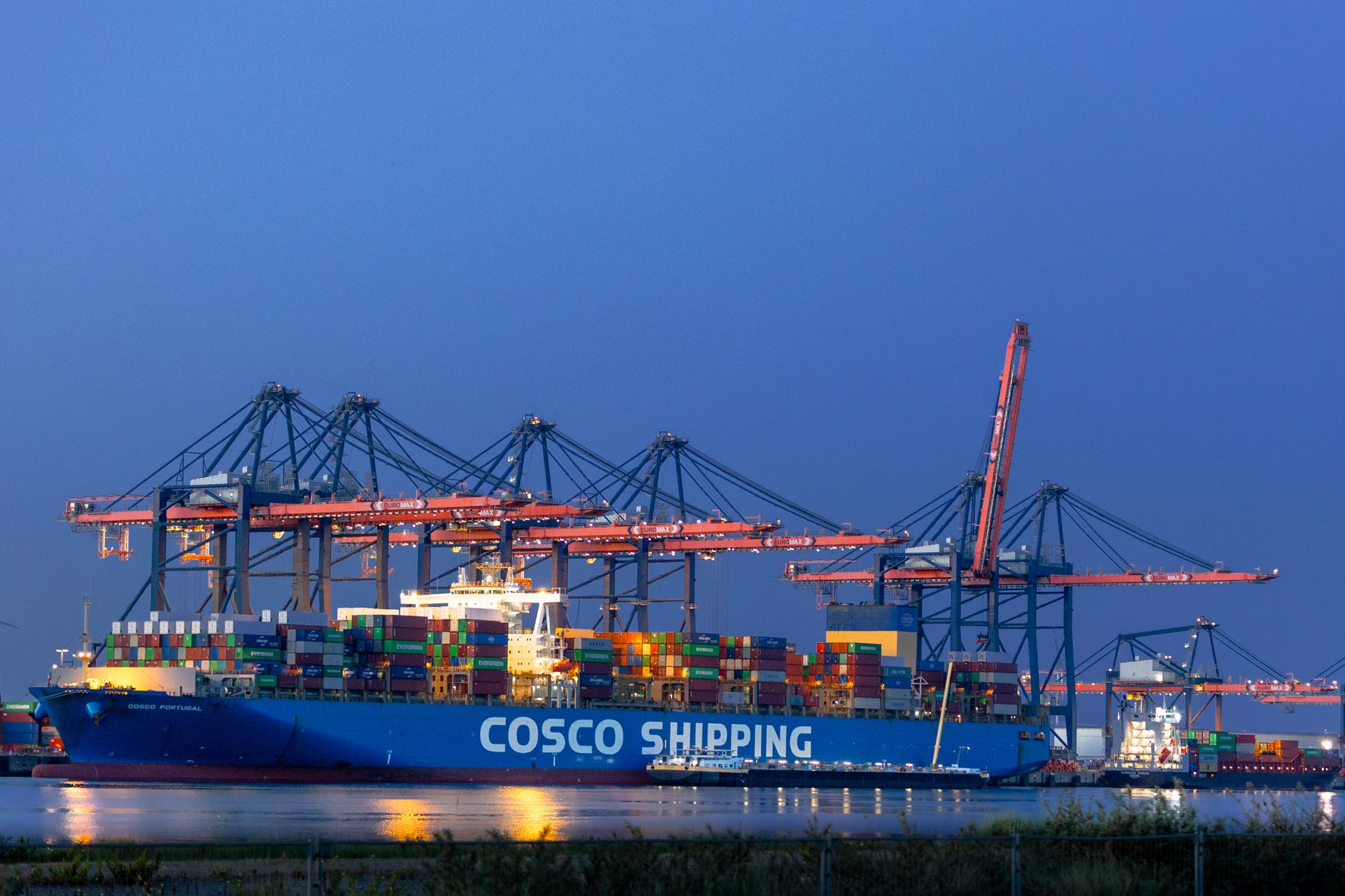
The Trump administration is actively considering a temporary suspension of the century-old Jones Act, a major policy shift aimed at lowering gasoline prices that have spiked amid ongoing conflict in the Middle East. White House officials confirmed the potential waiver, which would allow foreign-flagged vessels to transport oil and other goods between U.S. ports, a move currently prohibited by law.
The Jones Act, formally Section 27 of the Merchant Marine Act of 1920, is a cabotage law that requires goods transported by water between U.S. ports to be carried on vessels that are U.S.-built, U.S.-owned, U.S.-flagged, and predominantly crewed by U.S. citizens. Its primary purposes are to support the domestic maritime industry and maintain a shipbuilding base for national security.
The current push for a waiver is a direct response to economic pressure. With crude oil prices nearing $100 a barrel due to the war between the U.S., Israel, and Iran, and subsequent disruptions in the Strait of Hormuz, the administration is seeking tools to relieve consumers at the pump. A White House spokesperson stated the move is being considered “in the interest of national defense” to ensure the free flow of energy and agricultural shipments.
However, the proposal faces immediate and fierce opposition from U.S. maritime labor unions and shipping interests. Seven major maritime unions have urged President Trump to reject any administrative waivers, arguing it would undermine American maritime jobs and do little to lower consumer fuel costs. Industry groups contend that a shortage of U.S. tankers is not the primary bottleneck causing high prices.
Analysts are divided on the waiver’s potential impact. Free-market advocates at think tanks like the Cato Institute and the American Enterprise Institute (AEI) have long criticized the Jones Act as a burdensome monopoly that raises costs for consumers, particularly for energy transportation. They argue a suspension could provide modest price relief. Conversely, supporters of the Act warn that waiving it would erode the U.S. maritime industrial base, which is vital for sealift capacity during national emergencies.
Historically, Jones Act waivers are rare and typically granted only after major hurricanes or other disasters to expedite relief supplies. A waiver for broader economic reasons would be an extraordinary step. The administration’s consideration highlights the intense political heat generated by rising fuel costs. A final decision is expected soon, as officials weigh economic relief against national security and domestic industry concerns.