
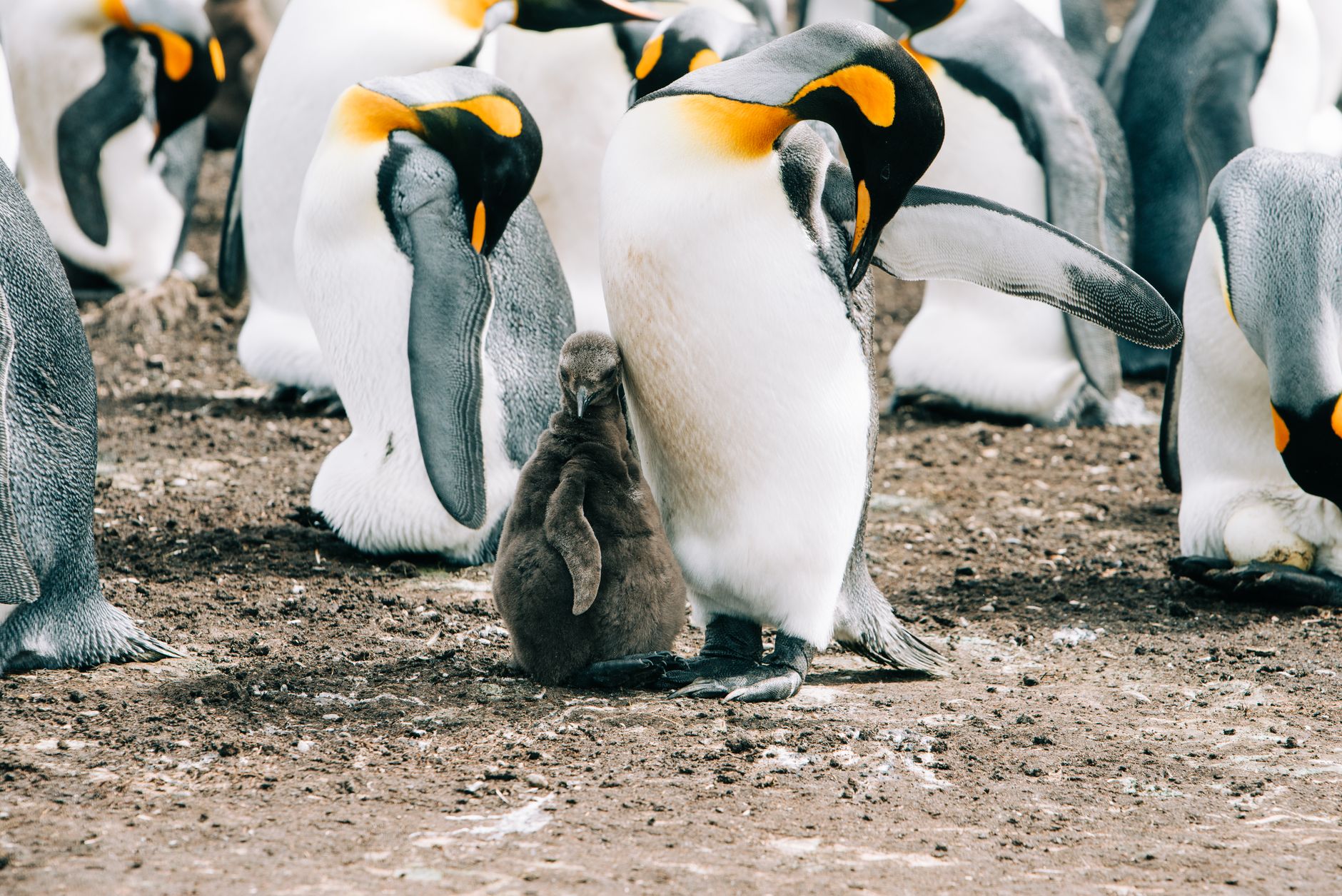
A recent scientific discovery has highlighted a previously unknown and significant threat to emperor penguins, adding to the mounting pressures these iconic Antarctic birds face from climate change. This news comes as the broader population of these flightless seabirds, which live almost exclusively in the Southern Hemisphere, contends with habitat loss and shifting ecosystems.
The Newly Discovered Threat
According to a report from Mongabay published on March 17, 2026, researchers made an accidental discovery that points to a new climate-related danger for emperor penguins. While the specific details of the discovery were not fully detailed in the available summary, it underscores the ongoing and evolving risks posed by a warming planet to species highly dependent on stable sea ice.
Emperor Penguins and Sea Ice Dependence
Emperor penguins (Aptenodytes forsteri) are the largest penguin species and are uniquely adapted to the harsh conditions of the Antarctic pack ice. They are highly reliant on stable sea ice for breeding, raising their chicks, and molting. Scientific observations, such as those noted on Horseshoe Island, confirm their presence is tied to these icy habitats. Climate change, which alters sea ice extent, thickness, and seasonal timing, poses a direct and severe jeopardy to their populations.
Broader Context for Penguins Worldwide
Penguins are a diverse family of 17 to 19 species of flightless seabirds. Contrary to popular belief, not all penguins live in icy climates. Their habitats range from the frozen coasts of Antarctica, home to species like Adélie, chinstrap, and gentoo penguins, to the tropical Galápagos Islands, where the Galápagos penguin is found north of the equator. Other species, like the African penguin (Spheniscus demersus), inhabit the temperate coasts of South Africa and Namibia.
However, penguins worldwide face significant conservation challenges. These include:
- Climate Change: Affecting prey availability (like krill), sea ice stability, and ocean temperatures.
- Habitat Loss & Human Disturbance: Coastal development and pollution impact breeding sites.
- Predation Pressure: In places like Patagonia, studies note pumas have begun preying on penguins, adding another stressor to colonies already facing other threats.
- Overfishing: Reduces the food supply for many marine species, including penguins.
The Path Forward
The accidental discovery of this new threat to emperor penguins emphasizes the urgent need for continued research and robust conservation efforts. Protecting migratory species and their habitats requires international cooperation, as highlighted by recent reports on the declining status of many protected migratory animals. For emperor penguins and their relatives, mitigating climate change remains the single most critical action for ensuring their survival in the coming decades.
Published on March 18, 2026. This report is based on the latest available scientific news and conservation data.