
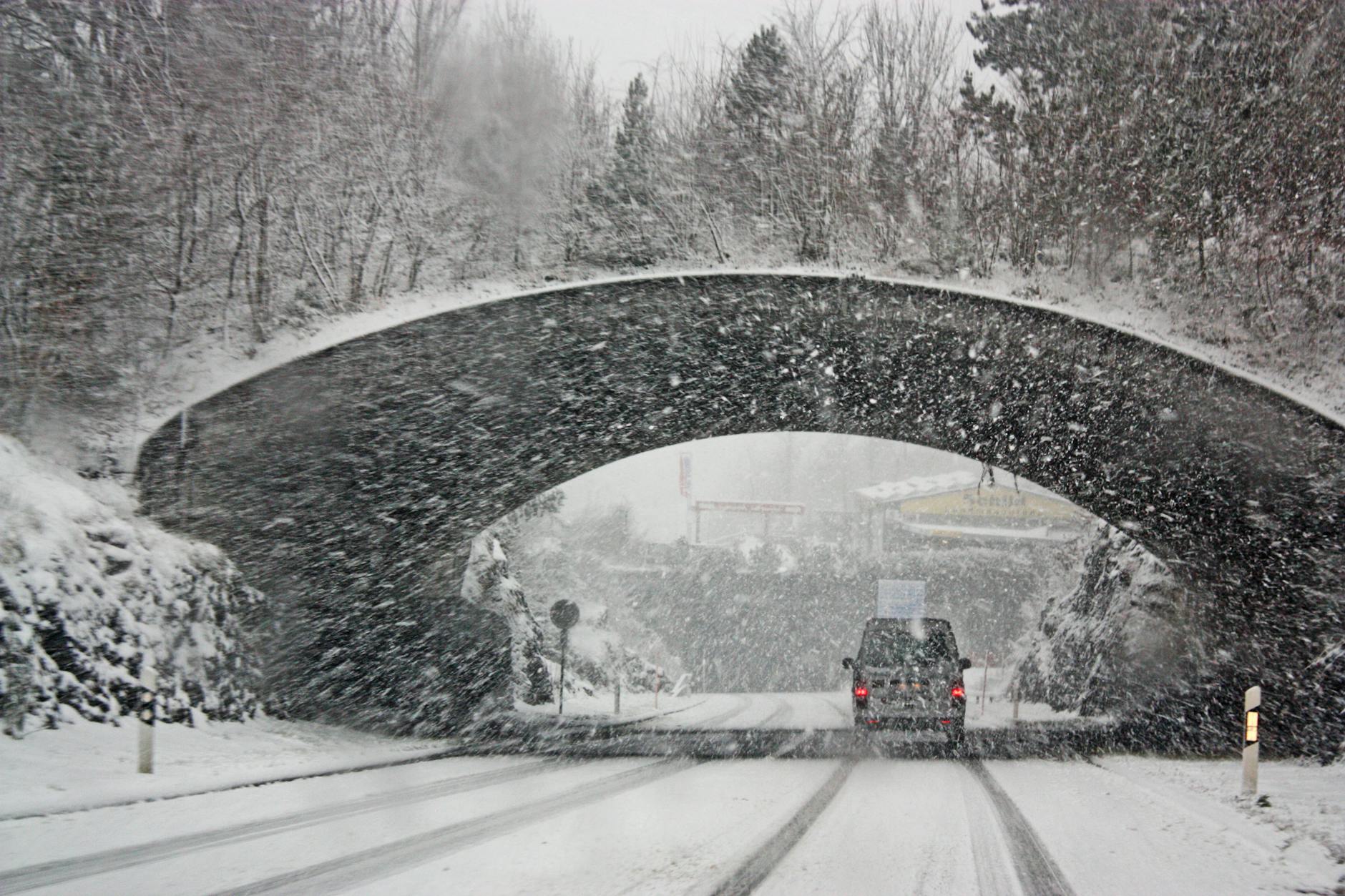
SATURDAY, February 14, 2026 — A massive winter weather system is sweeping across North America this Valentine’s Day, bringing life-threatening conditions to millions of residents from the American South through the Northeast and into Southern Ontario. Meteorologists have issued urgent warnings as the storm prepares to dump up to 12 inches (30 cm) of snow in some regions, coupled with dangerous wind chills reaching as low as –65°F.
Severe Impacts and Travel Warnings
The National Weather Service (NWS) and Environment Canada have issued a series of Blizzard Warnings and Winter Storm Warnings for the weekend. Officials in Southern Ontario and the Greater Toronto Area are advising residents to avoid all non-essential travel starting Sunday, February 15, as snowfall totals are expected to exceed 30 cm (approximately 12 inches) in localized areas.
The storm has already proven deadly, with dozens of fatalities reported across the U.S. due to the deep freeze and hazardous road conditions. In the South, rare heavy snowfall and ice have crippled infrastructure, while the Northeast faces a combination of blinding wind-driven snow and power outages.
Understanding the Severity: WSSI Alerts
The National Weather Service is utilizing the Winter Storm Severity Index (WSSI) to communicate the expected impacts of this system. Unlike traditional forecasts that focus solely on accumulation, the WSSI evaluates:
- Snow Amount and Rate: The potential for rapid accumulation that can overwhelm road crews.
- Snow Load: The weight of wet snow on trees and power lines, increasing the risk of utility failures.
- Blowing Snow: Sustained winds or gusts of 35 mph or greater, which define official blizzard conditions and reduce visibility to near zero.
- Ground Blizzard Potential: The risk of wind-driven snow creating hazardous conditions even after precipitation has stopped.
Safety and Preparedness
With extreme cold warnings in effect, emergency management agencies including the American Red Cross and the Canadian Red Cross are urging the public to take immediate precautions:
- Stay Indoors: If possible, remain inside and away from windows and doors.
- Conserve Energy: Minimize the use of electrical power to prevent grid overloads during the deep freeze.
- Emergency Kits: Ensure you have at least a 72-hour supply of food, water, and necessary medications.
- Vehicle Safety: If you must travel, keep a winter survival kit in your car, including blankets, a shovel, and jumper cables.
Meteorologists note that this storm is the result of a cold, dry Canadian air mass moving south and interacting with warm, moist air from the Gulf of Mexico. This interaction is creating a volatile weather pattern that is expected to linger through Monday, February 16. Residents are encouraged to monitor local forecasts and the CNN Storm Tracker for real-time updates on the system’s path.