
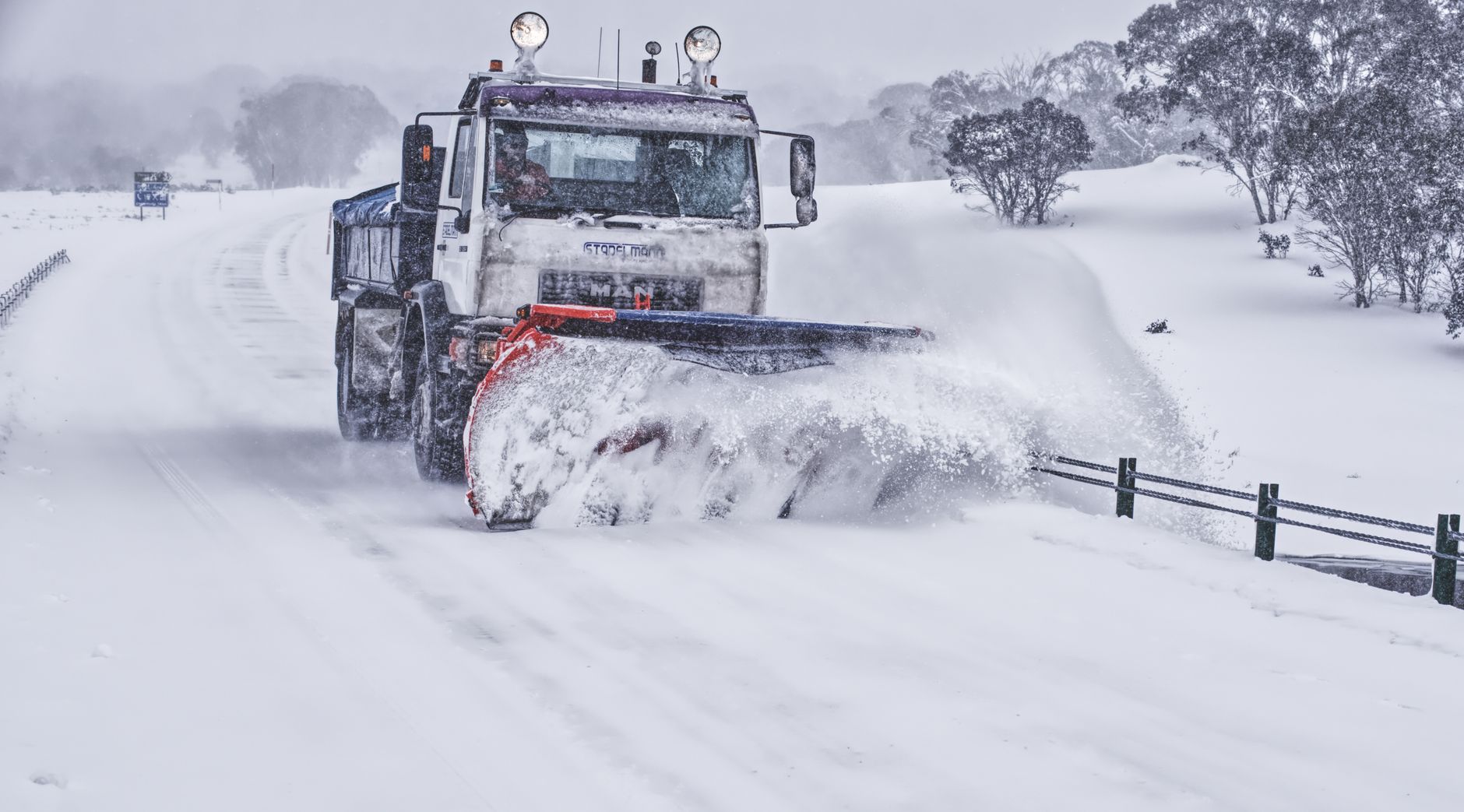
Thursday, February 26, 2026 — As the Northeast begins the massive cleanup following a historic blizzard that dumped over 20 inches of snow in parts of Pennsylvania and New Jersey, safety experts are urging residents and commercial operators to prioritize proper snow removal techniques to prevent injury and equipment failure.
The February 22 storm, which triggered States of Emergency across Delaware, Pennsylvania, and New York, has left millions of residents “digging out” from the most significant snowfall since 2016. With municipal crews working around the clock to clear emergency routes in cities like Philadelphia and Hoboken, the focus has shifted to residential and commercial property maintenance.
Expert Safety Guidelines for Manual Shoveling
According to the American Academy of Orthopaedic Surgeons and safety experts, manual snow removal is a leading cause of winter injuries. To stay safe, follow these essential protocols:
- Dress in Layers: Wear water-repellent, layered clothing to prevent overheating. Ensure your head, hands, and feet are covered with insulated, moisture-wicking gear.
- Choose the Right Tool: Use a shovel that is ergonomic and appropriate for your height. Avoid shovels that are too heavy or long, which can increase strain on the lower back.
- Technique Matters: Push the snow rather than lifting it whenever possible. If you must lift, keep your hands spaced apart for better leverage and lift with your legs, not your back.
- Stay Hydrated: Shoveling is a strenuous cardiovascular activity. Take frequent breaks and drink plenty of water.
Safe Operation of Snowblowers and Heavy Equipment
For those utilizing machinery to clear driveways and commercial lots, equipment maintenance and operational awareness are critical. Recent reports from local DPW departments highlight that equipment failure often occurs during peak storm response.
- Conduct a “Circle Check”: Before starting any equipment, perform a visual inspection to ensure no debris is blocking the intake and that all safety guards are in place.
- Clear the Area: Ensure the worksite is free of hidden obstacles like frozen garden hoses, toys, or large rocks that can become dangerous projectiles.
- Never Clear Clogs by Hand: If a snowblower becomes jammed, turn off the engine and wait for all moving parts to stop. Use a clearing tool or a stick—never your hands—to remove the blockage.
- Proper Fueling: Never add fuel to a running or hot engine. Allow the machine to cool down before refueling to prevent fires.
Legal and Environmental Considerations
Property owners in major hubs like New York City and Boston are reminded of their legal obligation to clear sidewalks. In NYC, the Department of Sanitation (DSNY) has issued alerts requiring property owners to clear paths for pedestrians shortly after snowfall ceases. Failure to do so can result in significant fines.
Furthermore, the Ministry of the Environment recommends that snow collected from heavily traveled arterial routes be disposed of on land rather than in water bodies to prevent de-icing chemicals and road salt from contaminating local water systems.
Community and Professional Services
With the “going rate” for professional sidewalk shoveling reaching $60 or more in metropolitan areas like New York, many residents are turning to community sharing. Local forums show an uptick in “snowblower sharing” among neighbors and the use of neighborhood-specific apps to find local plowing services for those unable to clear snow themselves due to health issues or age.
As cleanup continues through the weekend, officials remind the public to remain patient and keep fire hydrants clear of snow piles to ensure emergency services can operate effectively during the remainder of the winter season.