
Understanding Influenza Symptoms: Key Signs and What to Do Next
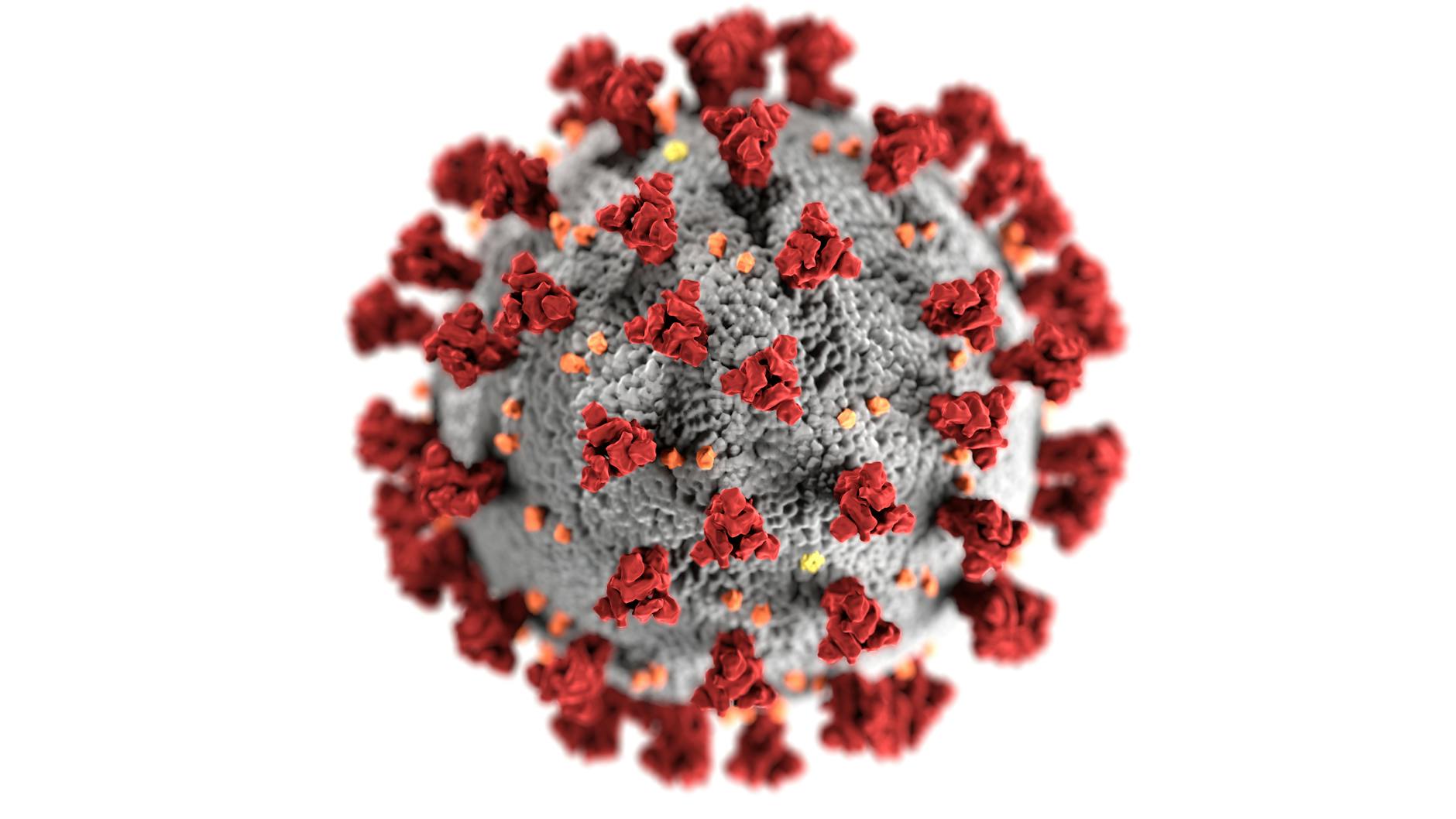
Washington, D.C., January 8, 2026 – As the 2025-2026 flu season intensifies with a dominant H3N2 subclade K variant driving high activity across the U.S., recognizing influenza symptoms early can help prevent complications. According to the Centers for Disease Control and Prevention (CDC), symptoms often appear suddenly and can range from mild to severe, with higher risks for those with underlying conditions like asthma or chronic lung disease.
Common Symptoms of Influenza
Influenza, commonly known as the flu, is caused by influenza viruses, primarily types A and B, with H3N2 being the most prevalent this season. Symptoms typically onset quickly, within hours or days after exposure, and may include:
- Sudden high fever (often 100°F or higher)
- Headache and body aches
- Cough, usually dry
- Sore throat
- Nasal congestion or runny nose
- Fatigue or feeling run down
- Chills
- In some cases, nausea, vomiting, or diarrhea (more common in children)
These symptoms can mimic those of a cold, but the flu tends to hit harder and faster. People with chronic conditions, pregnant individuals, or those over 50 are at greater risk for severe outcomes, including pneumonia or hospitalization.
Key Facts and Statistics
| Statistic | Details |
|---|---|
| Hospitalizations | Over 120,000 flu-related hospitalizations reported so far this season, with a weekly rate of 8.4 per 100,000 as of late December 2025. |
| Deaths | At least 5,000 deaths attributed to flu, including nine pediatric cases. |
| Activity Levels | 46 states reporting high or very high influenza-like illness activity; doctor visits for flu symptoms at highest level in nearly 30 years. |
| Vaccine Coverage | Flu vaccination rates among children have dropped to 42% this season, down from 53% in 2019-2020. |
When to Seek Medical Attention
If symptoms worsen or include emergency signs, seek immediate care. Adults should watch for trouble breathing, persistent chest pain, confusion, seizures, or severe weakness. In children, additional red flags include rapid breathing or worsening conditions. Antiviral medications like oseltamivir (Tamiflu) or baloxavir (Xofluza) can shorten illness if taken within 48 hours of symptom onset, especially for high-risk groups.
Prevention and Treatment Tips
The best defense is annual vaccination, which remains effective against circulating strains despite subclade K. Other preventive measures include frequent handwashing, avoiding close contact with sick individuals, covering coughs and sneezes, and staying home when ill. For treatment, rest, hydration, and over-the-counter pain relievers like acetaminophen can help manage symptoms, while antivirals may be prescribed for severe cases.
Frequently Asked Questions
What causes the flu?
The flu is caused by influenza viruses, with type A (including H1N1 and H3N2) and type B being the main culprits. This season, H3N2 subclade K is dominant, leading to higher severity in some regions.
How is the flu different from a cold?
The flu often comes on suddenly with high fever and body aches, while colds develop gradually and are usually milder, focusing more on nasal symptoms.
Can the flu vaccine prevent subclade K?
The 2025-2026 vaccine provides some protection against subclade K and other strains, reducing the risk of severe illness, hospitalization, and death, though it may not prevent all infections.
What should I do if someone in my household has the flu?
Isolate the sick person, disinfect surfaces, wash hands frequently, and consider preventive antivirals if you’re at high risk. Everyone should get vaccinated if not already done.